Nexplanon Symptoms and What They Mean| Amatoria Medical
Most women who get the implant are told two things. It lasts for years, and it might make your periods weird. Then something happens in month five that nobody described, and the search history starts.
This article covers what the Nexplanon implant actually does to your body, which effects are expected, which ones are worth an appointment, and which ones mean you stop reading and call someone today.
How the Nexplanon Implant Works
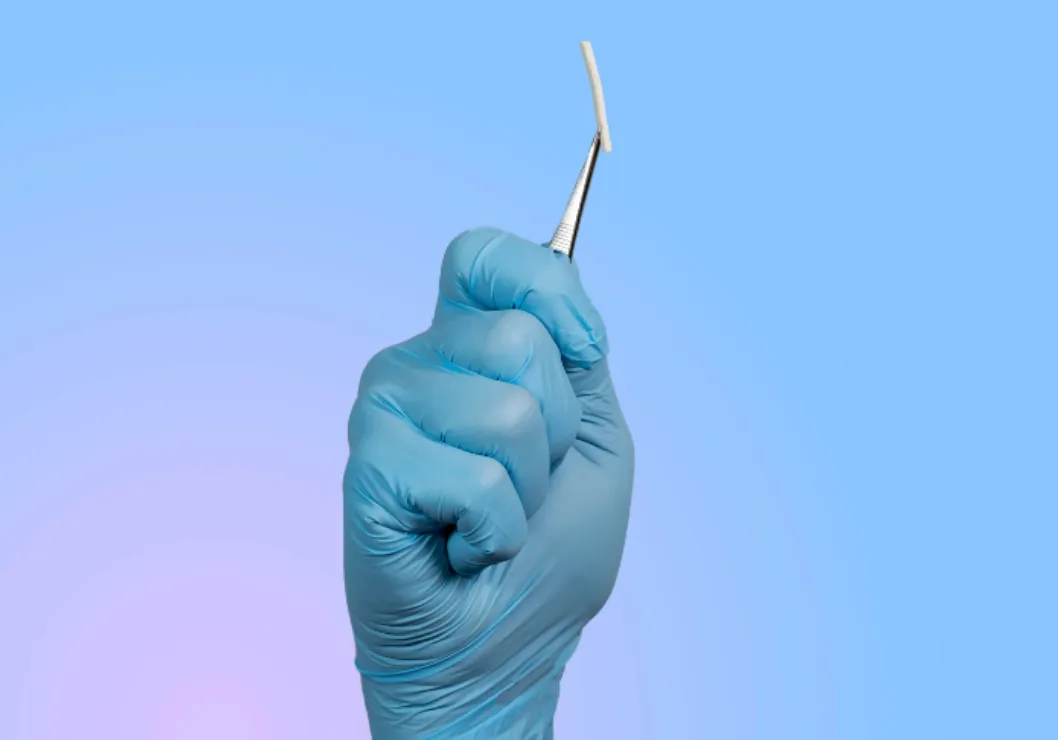
The Nexplanon implant is a flexible rod about the size of a matchstick, placed just under the skin of the inner upper arm. It releases etonogestrel, a progestin, at a low and steady rate. That progestin prevents pregnancy in three ways. It stops ovulation, thickens cervical mucus so sperm cannot get through, and thins the lining of the uterus.
Because there is no estrogen in it, the implant is an option for many women who cannot use combined hormonal birth control. It is also one of the few forms of hormonal contraception that requires nothing from you day to day once it is in.
Two things changed recently that are worth knowing. In January 2026, the FDA extended the approved duration of use from three years to up to five. Shortly after, the FDA added a certification requirement, so only providers trained and certified through the manufacturer's safety program can place or remove the device. If you are choosing a clinic, it is fair to ask.
The Bleeding Changes Nobody Adequately Warns You About
If you take one thing from this article, take this. A change from your normal menstrual bleeding pattern is not a malfunction. It is the single most common effect of the implant, and it is the reason most women who quit the implant quit.
In the manufacturer's clinical trials, changes in bleeding pattern were the most common reason for stopping, and irregular bleeding specifically accounted for most of that. Menstrual bleeding patterns ranged from no bleeding at all in about one in five women to frequent or prolonged bleeding in about one in five women. Everyone else landed somewhere in between.
What that looks like in real life:
Spotting that shows up for a few days, disappears, then returns without any relationship to your old menstrual cycle
Periods that stop entirely for months
Light bleeding that goes on far longer than a normal period used to
Occasional heavy menstrual bleeding, though this is less common than the light and unpredictable version
Bleeding that eventually settles into something quieter than what you had before
The useful detail most patient information leaflets bury is this. The bleeding pattern you have during the first three months is broadly predictive of the pattern you will have going forward. So if month two is chaos, that is information, but it is not yet a verdict. If month eight still looks like month two, that is worth a conversation rather than another year of waiting it out.
When menstrual bleeding should be evaluated rather than tolerated:
Bleeding heavy enough that you are soaking through protection hourly, or passing large clots
Prolonged bleeding that has continued for weeks without a break
New vaginal bleeding after a long stretch of no bleeding at all, especially with pain
Any bleeding that comes with dizziness, breathlessness, or the kind of tiredness that is out of proportion to your life
Bleeding paired with a positive pregnancy test
That last one matters. The implant is more than 99 percent effective, but no method is perfect, and abnormal menstrual bleeding is always worth ruling out other causes before it is chalked up to hormones.
Other Common Side Effects
Beyond bleeding, the most common side effect categories reported in clinical trials were headache, vaginitis, weight increase, acne, breast pain, abdominal pain, and viral illness symptoms such as a sore throat.
Others that come up regularly in practice include:
Mood swings and irritability
Nausea and dizziness
Back pain and painful periods
Ovarian cysts, which usually resolve on their own
Tenderness, bruising, or pain at the insertion site for a week or two
General tiredness, particularly in the first few months
Acne deserves its own note, because it is the second most common reason women ask about a Nexplanon removal. Progestin can worsen acne in some women and improve it in others. There is no reliable way to predict which group you are in before you try.
Weight change is the most argued about of the common side effects. Weight increase does appear in the trial data, but weight is influenced by so many variables over several years that it is difficult to attribute cleanly to any one cause. If your weight moves substantially after insertion, it deserves an actual workup rather than an assumption in either direction.
Mood, Depressed Mood, and Emotional Changes
This one gets minimized more than it should be. Depressed mood is a recognized effect of progestin-only contraception, and it appears in the manufacturer's own labeling as a reason to consider removal. In the trials, a small but real percentage of women in the United States discontinued because of depression or emotional lability.
That does not mean the implant causes depression in most women. It does not. But if you notice mood changes that started within a few months of insertion and have not lifted, that is a legitimate clinical observation, not oversensitivity. Depressed mood that is new, persistent, and tied in time to starting the implant should be taken seriously by whoever is caring for you.
What to do with it:
Track when it started relative to your insertion date
Note whether it is constant or cycles with your bleeding
Bring it up directly, because a provider who is not asked will usually assume things are fine
Ask what the plan is if it does not improve, since removal is always an option
If your mental health is already something you manage, it is worth having the conversation before insertion rather than after. Mood swings and depressed mood are easier to interpret when someone knew your baseline going in.
Insertion, Removal, and What Both Feel Like
Nexplanon insertion is a short in-office procedure. The area is numbed, the implant is placed just under the skin, and most women describe the local anesthetic as the least comfortable part. Expect bruising, some soreness, and occasionally a small amount of swelling for several days. Sharp pain at the site that worsens after the first few days, or redness with drainage, is not typical and should be checked.
Vasovagal reactions can happen during insertion or removal. That means lightheadedness, nausea, sweating, or fainting, usually triggered by the procedure itself rather than the medication. It is not dangerous, and it is one of the reasons the procedure is done lying down.
Removal is generally quicker than insertion. A small nick, the implant is eased out, and you are done. Difficulty comes up when an implant was placed too deeply or has moved, which is exactly what the newer certification requirement is designed to reduce. If you cannot feel your implant under the skin, tell your provider before your removal appointment so imaging can be arranged if needed.
Fertility returns quickly after removal. Most women resume their previous cycle within a few weeks to a few months, and pregnancy is possible right away, so a new method should be started immediately if you are not trying to conceive.
Warning Signs That Need Attention Today
Serious problems are rare. They are also the reason this section exists. Contact a provider or go to an emergency room for any of the following.
Signs of a blood clot. Sudden shortness of breath, sharp chest pain that worsens when you breathe, or coughing up blood can indicate a pulmonary embolism. Pain, swelling, warmth, or deep aching in one calf or thigh can indicate deep vein thrombosis. Severe chest pain, chest pressure, arm or jaw pain, sweating, and nausea can indicate a heart attack. Sudden weakness or numbness on one side, trouble speaking, or vision loss can indicate a stroke.
Severe pain in the lower stomach. Sharp or intense pain in the lower stomach can signal an ectopic pregnancy or a ruptured ovarian cyst. An ectopic pregnancy is uncommon on the implant because pregnancy itself is uncommon on the implant, but when a pregnancy does occur, the risk of it being ectopic is a real consideration. Any lower stomach pain paired with a missed period or a positive test is urgent.
Signs of liver trouble. Yellowing of the skin or eyes, dark urine, pale stools, persistent tiredness, or pain in the upper right abdomen. Liver disease and liver tumors are contraindications to the implant, and new liver symptoms while using it need prompt evaluation.
A severe allergic reaction. Swelling of the face, lips, tongue, or throat, hives, or difficulty breathing. A milder allergic reaction to a component of the implant is also possible and should be reported.
Headaches that are worse than your usual headaches, particularly if they are new, severe, or come with visual changes.
A blood pressure reading that has climbed. New high blood pressure while using hormonal contraception should be monitored and addressed.
Risk Factors Worth Discussing Before Insertion
Some histories change the calculation. Bring these up honestly, because they are the difference between a good decision and a preventable complication.
A personal or family history of blood clots, stroke, or heart attack
Smoking, especially after 35, which raises cardiovascular and heart attack risk on any hormonal method
High blood pressure, diabetes, or known cardiovascular risk factors
Current or past liver disease or a liver tumor
Breast cancer or another cancer that is sensitive to progestin
Undiagnosed abnormal vaginal bleeding that has never been worked up
Medications that affect liver enzymes, including some seizure medications and certain antibiotics, which can reduce effectiveness
Blood pressure gets checked at your visit for exactly this reason, and it is worth rechecking periodically while the implant is in place.
What the Implant Does Not Do
It does not protect you from any sexually transmitted infection. Not one. The implant handles pregnancy prevention only, and barrier methods plus routine screening remain the rest of the sexual health picture. If you are between partners or have a new one, testing is a reasonable part of any visit and can usually be done at the same appointment.
Common Questions
How do I know if my Nexplanon symptoms are normal? The rough rule is that unpredictable bleeding, mild mood changes, acne, headache, and breast pain fall into the expected category, while severe pain, chest symptoms, one-sided leg swelling, yellowing skin, or swelling of the face and throat fall into the urgent category. Anything that is disrupting your life, even if it is technically an expected Nexplanon side effect, is worth an appointment. Tolerating something miserable for years is not the goal.
Can I have it removed early? Yes. The implant can be removed at any time, for any reason, including a reason as simple as not liking how you feel on it.
Will my periods go back to normal? Most women return to their prior pattern within a few months of removal. If your menstrual cycle has not resettled after that, it is worth investigating rather than waiting.
Does the five year approval mean I should keep mine longer? It means the labeling now supports up to five years for the current version of the device. What that means for your implant specifically depends on when it was placed and what the patient information for your device says, so confirm with your provider rather than assuming.
Talk to Someone Who Will Actually Answer
Amatoria Medical provides women's health services in Tooele, including contraception counseling, evaluation of bleeding changes, and implant placement and removal. We are an insurance based clinic accepting new patients, and telehealth is available for counseling visits when an exam is not required.
If your bleeding, your mood, or anything else about the implant has you second guessing, that is a reason to be seen and not a reason to wait it out. Call 435-244-3143 or request an appointment.
