How to Reduce Anxiety for a Racing Mind | Amatoria Medical
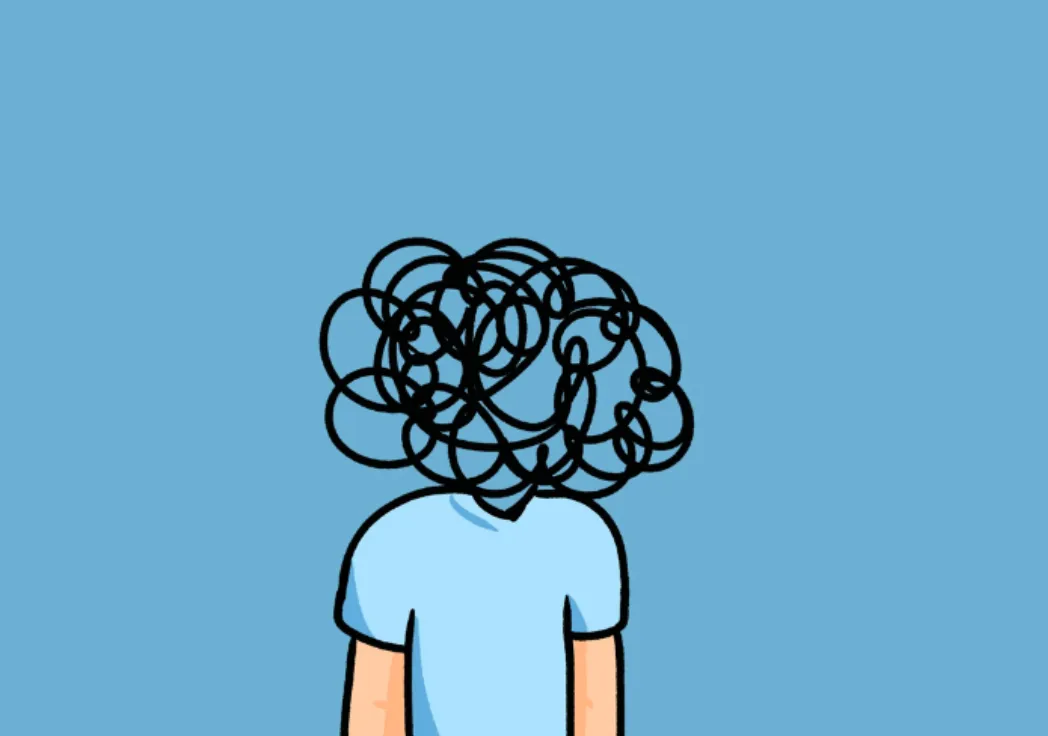
You finally lie down, close your eyes, and your brain decides it is time to replay every worry you have ever had. If that sounds familiar, you are not alone. Learning how to reduce anxiety at night starts with understanding why your mind speeds up the moment the lights go off, and knowing which tools actually calm it down. Anxiety is one of the most common mental health challenges people face, and the racing anxious thoughts that keep you awake are a signal worth paying attention to rather than fighting.
At Amatoria Medical, we help people move from exhausted and overwhelmed to rested and in control. Below is a practical guide to managing anxiety when it shows up in the quiet hours, along with the science behind why it happens and when it may be time to ask for more help.
Anxiety Is a Real Mental Health Condition, Not a Character Flaw
Anxiety becomes more than everyday worry when it starts interfering with your sleep, focus, relationships, and overall wellbeing. For millions of people, that tipping point is an anxiety disorder, a recognized mental health condition that deserves real care.
There are several forms. Generalized anxiety disorder involves persistent worry that is hard to switch off. Panic disorder centers on sudden, intense panic attacks. Social anxiety disorder makes everyday interactions feel threatening. Obsessive compulsive disorder drives repetitive intrusive thoughts and behaviors. Each one comes with its own anxiety symptoms, and many people quietly live with a mix of them for years.
Anxiety symptoms are not only mental. The physical symptoms can include a pounding heart, tight chest, shallow breathing, muscle tension, and a stomach that will not settle. These anxious feelings are your body doing exactly what it evolved to do, just at the wrong time.
Why Your Mind Races the Moment You Try to Sleep
During the day, activity and distraction keep those worries at bay. At night, the noise disappears and your brain finally has room to spin. This is when your body's stress response can quietly switch on.
When you feel threatened, even by a thought, your body releases stress hormones like cortisol and adrenaline. These raise your heart rate, sharpen your senses, and flood you with alertness, which is the opposite of what you want at bedtime. A high stress level late in the day, a demanding schedule, or unresolved worry can all become anxiety triggers that follow you to bed.
Everyday habits matter too. A high caffeine intake, especially in the afternoon, keeps stress hormones elevated and makes it harder to unwind. Screens, alcohol, and an irregular schedule can all raise your baseline anxiety and make those anxious moments feel more intense.
How to Reduce Anxiety in the Moment
When your mind is racing, the fastest way to interrupt it is through your breath. Deep breathing tells your nervous system that you are safe, which lowers your heart rate and softens the panic. Try a simple breathing technique where you inhale for four counts, hold for four, and exhale slowly for six. Repeating these breathing exercises for even a few minutes can pull you out of an anxiety spiral.
Progressive muscle relaxation is another powerful tool. Starting at your feet and working up, tense each muscle group for a few seconds, then release. This relaxation technique teaches your body to let go of the tension that anxiety stores, and it pairs well with slow breathing.
Mindfulness and meditation help in a different way. Instead of chasing your worry or arguing with it, you practice noticing anxious thoughts without judgment and letting them pass. A short guided meditation before bed can quiet the mental chatter, and regular mindfulness practice makes it easier to find that calm on demand. Over time, meditation and mindfulness change how you respond to that first anxious feeling, so it has less power over you. Together, these relaxation techniques give you real, repeatable ways of managing anxiety at night.
Handling a Nighttime Anxiety Attack or Panic Attack
Sometimes anxiety escalates into a full anxiety attack. A panic attack can feel terrifying, with a racing heart, dizziness, and a sense that something is deeply wrong. It helps to remember that panic peaks and then fades, usually within minutes, and it is not dangerous even though it feels that way.
In those moments, ground yourself. Name five things you can see, feel your feet on the floor, and return to slow, steady breathing. Reminding yourself that panic attacks always pass takes some of the fear out of them, which in turn shortens them and makes the next wave of panic easier to ride.
Daily Habits That Lower Your Baseline Anxiety
What you do during the day shapes how calm you feel at night. Regular exercise is one of the most effective natural remedies for anxiety because physical activity burns off stress chemicals and boosts mood-regulating chemicals, often leaving you feeling calmer within the hour. You do not need a punishing workout for exercise to help. Even a daily walk counts as meaningful physical activity and helps you sleep more deeply.
A healthy lifestyle built around consistent sleep, balanced meals, a lower caffeine intake, and daily movement gives your nervous system a steadier foundation. Good stress management during the day, whether through journaling, time outdoors, or connection with people you trust, keeps your overall stress level from piling up by bedtime. These small choices are quiet but powerful ways to reduce anxiety over time and protect your mental health.
When to Get Professional Help
Self-help tools matter, but they are not the whole picture. If anxiety is disrupting your sleep, work, or relationships, that is a clear sign to reach out for help. A mental health condition responds best to real treatment, and you do not have to manage it alone.
Cognitive behavioral therapy is one of the most effective, evidence based treatments available. It helps you recognize the thought patterns that fuel anxiety and replace them with more balanced responses. For some people, medication is an important part of the plan, and anti anxiety medication or other options can ease symptoms enough to make everything else work better.
The right path depends on you. A thorough evaluation helps identify your specific anxiety triggers and the treatment options most likely to help, whether that is therapy, medication, lifestyle change, or a combination. Learning how to reduce anxiety is rarely about one magic fix. It is about building a toolkit and having the right support behind it.
You Do Not Have to Lie Awake With It
A racing mind at night can feel isolating, but it is treatable, and relief is possible. Start with the breathing and relaxation techniques tonight, build steadier daily habits this week, and ask for help when you need more. If anxiety keeps stealing your sleep and your peace, the team at Amatoria Medical is here to help you understand what is happening and find a plan that fits your life. Your wellbeing is worth it.
