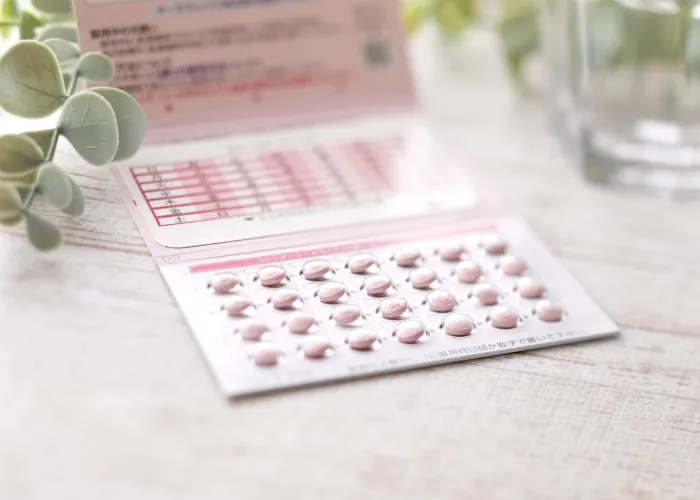
Does Birth Control Cause Weight Gain?
It is one of the most common questions we hear at Amatoria Medical, and one of the top reasons people hesitate to start or stay on a method. The short version is reassuring, and the research is clearer than the rumors suggest.
The short answer
For most people, modern birth control does not cause significant weight gain, and most will not gain weight in any lasting way. Large reviews of the pill, patch, ring, and hormonal IUD have not found a clear link between hormonal birth control and lasting weight gain. The one method consistently associated with more noticeable weight gain is the injection, also known as the birth control shot. Some of what feels like weight gain in the first few months is temporary water retention rather than true fat gain.
What the research says about birth control and weight gain
The worry that birth control causes weight gain dates back to the very high hormone doses used in the earliest pills decades ago. Today's birth control pills use far lower hormone levels, and the research has caught up with that change.
When people search for birth control weight gain, they are usually picturing the old high-dose birth control pill, not the low-dose options used today. The reality is that most people on hormonal birth control will not gain weight in any significant way.
Independent reviews of the evidence have repeatedly found no strong connection between combined hormonal contraceptives and weight gain. One large review of nearly fifty trials of the pill, patch, and ring found no proof that these methods cause weight change, and no large effect on weight overall. Major health organizations, including Planned Parenthood, similarly note that most birth control does not cause significant weight gain for the average person.
That does not mean your experience is imaginary. The evidence is strong enough to rule out a large, consistent effect for most hormonal methods, while still leaving room for individual differences in how your body responds.
Perceived weight change vs actual weight change
Many people feel like they have gained weight after starting an oral contraceptive, yet when researchers actually measure body weight, they often find no meaningful change. A few things explain that gap.
Water retention. The estrogen in a combined estrogen pill can cause mild fluid retention and bloating, especially in the first two to three months. This can read on the scale as a pound or two, but it is water weight, not fat gain, and it usually settles as your body adjusts.
Natural weight change over time. In studies, people not using any hormonal method gained a similar small amount of weight over the same period. In other words, some weight change happens with age and lifestyle regardless of whether you take a contraceptive pill.
Appetite and habits. A small number of people notice an increased appetite when their hormone levels shift, which can indirectly affect weight if eating patterns change.
Combined hormonal contraceptives and the pill
Combined hormonal contraceptives contain both estrogen and progestin. This group includes most birth control pills, the patch, and the vaginal ring. Combined birth control pills are the most common choice, and across the research these methods have not been shown to make most people gain weight or to cause real fat gain. The estrogen component can trigger short-term bloating or fluid retention in some people, but this is different from gaining weight as body fat, and it tends to be temporary.
If you start an estrogen pill and notice the scale tick up slightly in the first month or two, give your body a little time. For most people, weight returns to its normal weight range once the early adjustment passes.
Progestin-only methods, hormonal IUDs, and the birth control shot
Progestin-only options include the mini-pill, the implant, hormonal IUDs, and the injection. Reviews of these hormonal methods found only a modest weight gain in most studies, generally under about five pounds over the first year, and similar to what people using non-hormonal methods experienced over the same time.
The clear exception is the contraceptive injection, also called the birth control shot. Research has linked it to more significant weight gain in some people, particularly with longer use, and a few studies noted changes in body composition such as a higher percentage of body fat. If avoiding weight gain is a priority for you, this is worth discussing with your provider when you compare options.
Method
What the research shows on weight
The pill, patch, ring (combined hormonal contraceptives)
No clear link to weight gain. Possible short-term water retention.
Mini-pill, implant, hormonal IUD
Little evidence of weight gain. Most studies show a modest weight gain at most.
The birth control shot (injection)
The method most consistently associated with weight gain over time.
Copper IUD (non-hormonal)
Contains no hormones and is not linked to hormonal weight change.
Appetite, hormones, and your metabolism
Because hormonal contraception introduces hormonal shifts, people often ask whether it changes metabolism. For combined methods, any effect on the way your body handles energy appears to be small for most people. Research on whether hormonal contraceptives meaningfully affect insulin sensitivity or insulin resistance is mixed, and for low-dose combined pills the effect on these markers is generally minor.
What you are more likely to notice day to day is appetite. Hormonal changes can nudge appetite up or down in some individuals, and that, rather than a direct metabolic effect, is usually what connects a method to any real change on the scale.
Can birth control cause weight loss?
Birth control is not a weight loss tool, and no method is designed to help you lose weight. Some people do report mild weight loss after switching methods or stopping one that did not agree with them, often because bloating eases. If weight loss is one of your goals, the method itself is unlikely to be the deciding factor, and it is better addressed directly rather than through your choice of contraceptive.
Supporting a healthy weight while on birth control
If you want to protect a healthy weight while using any birth control method, the fundamentals matter far more than which pill you take.
Eat for steadiness. Balanced meals with protein and fiber help manage appetite and keep energy even.
Move regularly. Consistent activity supports both body weight and overall sexual health, and it matters far more than which hormonal birth control you use.
Watch the early months. Give a new method two to three cycles before judging its effect on your weight, since early water retention can fade.
Get support if you want it. A registered dietitian or your provider can build a realistic weight management plan that fits your life, rather than guessing.
If you are gaining weight in a way that feels out of step with your habits, that is a good reason to check in with a provider. It may have nothing to do with your birth control at all.
A quick note on hormones beyond contraception
Questions about hormones and weight also come up outside of contraception, especially with hormone replacement therapy during perimenopause and menopause. That is a separate topic from birth control, with its own evidence. Amatoria Medical supports patients across both, so if your real question is about hormones and weight at a different stage of life, we can help you sort out which conversation you are actually having.
Choosing the right birth control option for you
The best birth control method is the one that fits your body, your health history, and your life, and weight is only one piece of that picture. If a method ever feels wrong, you are not stuck with it. There are many birth control options, from oral contraceptives to hormonal IUDs to non-hormonal choices, and switching is common and straightforward.
At Amatoria Medical in Tooele, our birth control counseling walks you through how each option works, the real evidence on side effects like weight change, and what is likely to suit you, so you can choose with confidence instead of fear.
Frequently asked questions
Does birth control cause weight gain for everyone?
No. For most people, birth control does not cause significant weight gain. Reviews of the pill, patch, ring, and hormonal IUD show no strong link, and the main exception is the injection.
Which birth control is most linked to weight gain?
The birth control shot is the method most consistently associated with weight gain over time. Most other hormonal methods show little to no effect for the average person.
Is the early weight from the pill fat or water?
In the first couple of months, weight on combined hormonal contraceptives is usually water retention from estrogen rather than true fat gain, and it often fades as your body adjusts.
Can stopping birth control cause weight loss?
Some people notice a small amount of weight loss after stopping a method, often because bloating eases. It is usually modest and varies from person to person.
How long does birth control bloating last?
For most people, any bloating or fluid retention from a new method eases within two to three cycles. If it does not, talk with your provider about other options.
Talk through your options with Amatoria Medical
Our team in Tooele offers honest, judgment-free birth control counseling, from choosing a method to managing side effects. Book a visit and get answers built around your body and your goals.
